Safety Considerations During Paving Installation: Shielding Your Building and Household
Introduction
Paving installment is a significant financial investment that enhances the aesthetic charm and capability of your home. However, it also features different security considerations that must be dealt with to safeguard not just your building but likewise your household. Whether you're taking into consideration interlocking pavers for a driveway, sidewalk, or patio area, recognizing the possible dangers and implementing appropriate safety measures is crucial. In this comprehensive guide, we will certainly explore the various facets of security during paving installment, ensuring you are educated prior to embarking on this project.
Safety Considerations Throughout Paving Setup: Protecting Your Residential Or Commercial Property and Family
When embarking on a paving task, security ought to go to the forefront of your mind. From picking a certified paver installer to making sure the site continues to be safe and secure during the installation procedure, every action has its own set of safety and security considerations.
Understanding Leading Installation
What is Leading Installation?
Paving setup includes putting down materials such as interlocking pavers to create resilient surface areas for driveways, patios, or sidewalks. These materials not only boost aesthetic appeal but also offer security and longevity.
Types of Leading Materials
- Interlocking Pavers: These are designed to mesh securely without the requirement for mortar.
- Concrete Slabs: A typical selection that offers a solid surface.
- Asphalt: Generally used for driveways because of its affordability.
- Natural Stone: Offers a high end look but can be extra costly.
Why Pick Interlocking Pavers?
Interlocking pavers are prominent as a result of their layout flexibility and ease of fixing. If one paver obtains damaged, it can conveniently be changed without disturbing the whole surface.
Choosing a Qualified Paver Installer
The Relevance of Working with Professionals
Hiring an expert paver installer makes sure that your job adheres to neighborhood regulations and standards. Specialists have the essential training and experience to handle various difficulties throughout leading installation.
Questions to Ask Potential Installers
- What is your experience with interlacing pavers?
- Can you provide references from previous clients?
- What service warranties do you provide on your work?
Verifying Credentials
Always verify that your selected installer has suitable licenses and insurance coverage. This secures you from liability in case of mishaps throughout the installment process.
Preparing Your Building for Paving Installation
Assessing Your Home's Needs
Before starting the setup procedure, evaluate locations that require paving. Take into consideration web traffic patterns, water drainage needs, and appearances when planning your design.
Clearing the Site Safely
Clearing debris and obstacles from the area where paving will take place is essential for security. This includes eliminating plants, rocks, or old sidewalk materials.
Marking Off Boundaries
Use risks or flags to mark off borders plainly. This aids keep kids and family pets away from unsafe locations during the setup process.
Safety Equipment for Paving Setup Workers
Essential Individual Protective Equipment (PPE)
Workers associated with paving installment ought to constantly use suitable PPE:
- Hard hats
- Safety goggles
- Steel-toed boots
- High-visibility vests
- Ear protection
Training Workers on Safety and security Protocols
Ensure all employees are learnt security protocols specific to paving installations. Normal security conferences can aid enhance these protocols.
Managing Hefty Tools Securely Throughout Installation
Common Tools Used in Paving Installation
- Excavators
- Rollers
- Plate compactors
- Dump trucks
Operating Hefty Machinery Safely
Operators need to undertake rigorous training prior to handling heavy machinery related to paving installations to stop accidents on-site.
Ensuring Adequate Drainage Solutions
The Relevance of Correct Drain in Leading Projects
Poor drainage can lead to water pooling on paved surface areas, triggering damages in time and developing slip threats for pedestrians.
Designing Effective Drain Systems
Incorporate attributes such as:
- Grading slopes
- French drains
- Permeable pavers
These solutions promote water overflow efficiently while maintaining surface area integrity.
Dealing with Climate Conditions During Installation
Understanding Exactly how Weather condition Impacts Leading Installation
Weather conditions dramatically influence leading installments; rainfall can delay projects while severe warm may damage materials if poorly handled.
Planning Around Seasonal Changes
Consider seasonal weather condition patterns when planning your project timeline:
- Spring: Ideal for cooler temperatures.
- Summer: Be cautious regarding warm effects on materials.
- Fall: Excellent weather condition however prepare around prospective rain.
Communicating with Neighbors Regarding Your Project
Informing Next-door neighbors Concerning Upcoming Work
Letting next-door neighbors find out about upcoming paving installations promotes a good reputation and prepares them for potential noise or disruptions.
Keeping Youngsters and Animals Safe During Installation
Establishing Safe Zones
Create designated secure areas far from workspace where children and animals can play without risk of injury throughout setup activities.
Implementing Traffic Control Measures
Redirecting Lorry Web traffic Safely
If working near roads or driveways, develop clear traffic control steps such as cones or obstacles to maintain secure distances from vehicles.
Utilizing Signs Effectively
Posting Warning Signs Around Work Areas
Signage alerting people regarding ongoing job secures both employees and passersby from potential dangers connected to insufficient setup sites.
Post-Installation Safety Checks
As soon as leading work has actually been completed: 1) Conduct detailed inspections of newly installed surfaces for any type of disproportion or sticking out sides. 2) Make sure adequate curing time has actually passed before allowing foot traffic onto freshly paved locations-- this assists avoid producing dangerous problems like commercial paver installation Moraga slips/trips/falls!
Long-Term Upkeep Factors to consider Adhering to Installation
Regular upkeep assists make certain durability & & toughness while maintaining surfaces secure year-round:
1) Clean debris frequently utilizing brooms/pressure washers. 2) Seal splits immediately-- to stop water seepage leading potentially harmful circumstances gradually! 3) Schedule expert inspections occasionally-- ensures every little thing remains structurally sound!
Environmental Considerations During Leading Projects
Consider eco-friendly options throughout each stage consisting of lasting material options which reduce adverse influences while making best use of advantages within neighborhood ecosystems!
Frequently Asked Inquiries (Frequently asked questions)
1) What devices do I need for setting up interlacing pavers?
You will usually call for tools such as a shovel, level, rubber mallet, compactor plate, jointer tool (for spaces), weed obstacle textile & & side restraints among others!
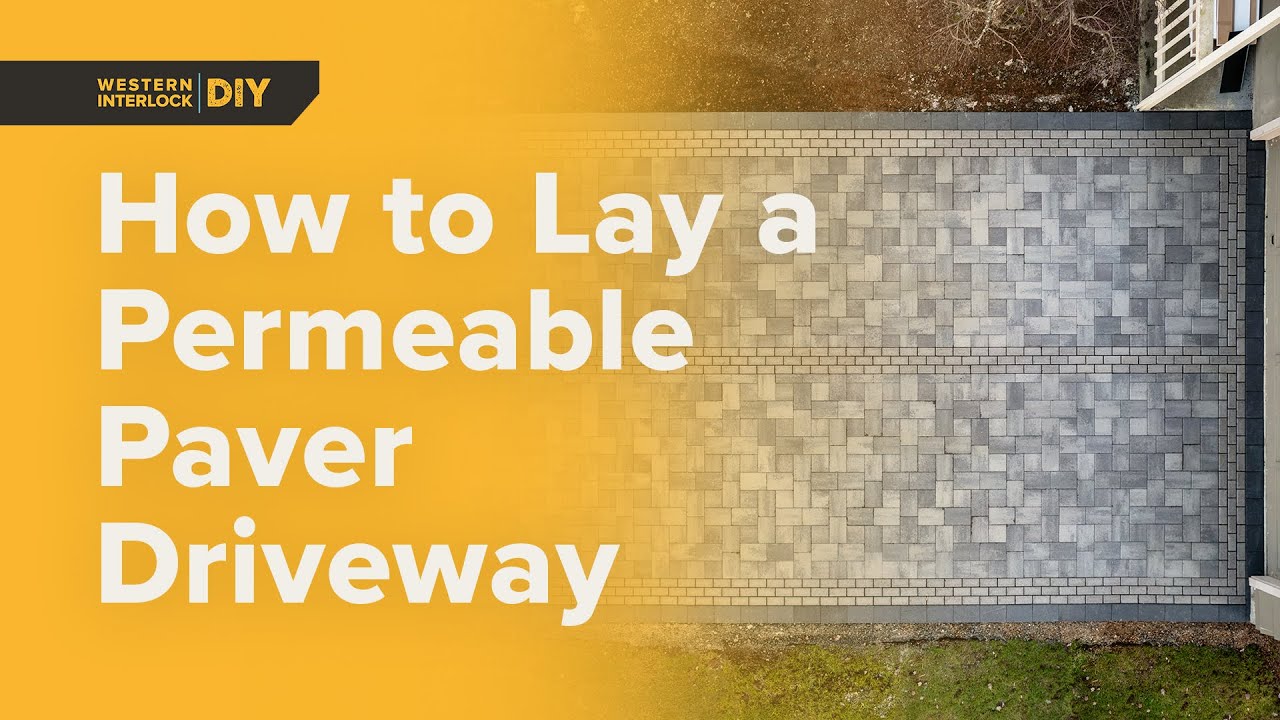
2) The length of time does it require to install interlocking pavers?
Installation times vary based upon residential or commercial property size & & complexity; nevertheless most tasks range anywhere in between one day up-to 2 weeks!
3) Can I install interlocking pavers myself?
Yes! Nevertheless unless completely seasoned think about hiring professionals who have specialized training-- this makes certain optimum results while minimizing risks!
4) What upkeep do interlacing pavers require?
Regular sweeping plus periodic power washing/sanding/mulching keeps surface areas clean; resealing every few years stops dampness infiltration!
5) Are there any kind of warranties supplied by installers?
Most respectable installers offer guarantees covering craftsmanship/materials! Always validate specifics previous finalizing contracts!
6) How do I choose an installer?
Ask friends/family referrals; check online reviews/ratings! Look especially at past tasks comparable your own-- guarantee they have relevant experience before making decisions!
Conclusion
Understanding safety factors to consider throughout leading installation is extremely important-- not just securing home but guarding relative too! By adhering closely laid out guidelines throughout particular stages-- from employing certified experts via guaranteeing ample site prep work-- you're establishing future success while reducing dangers related to unexpected accidents occurring down road! Stay educated & & positive; spend carefully into improving both visual value functionality within home atmosphere-- ultimately promoting peace mind understanding every person remains risk-free throughout period project completion!